
When planning window replacements, homeowners must choose between two distinct installation methods that significantly impact cost, energy efficiency, and aesthetics: full-frame and insert replacement. An insert window replacement replaces only the sashes and glass within your existing frame, offering lower upfront costs, while a full-frame replacement removes the entire window down to the rough opening studs to eliminate hidden rot, drafts, and thermal bridging.
Selecting the wrong installation method can undermine window performance, trap moisture inside wall cavities, or lead to unexpected finishing expenses. Modern building envelope standards and regional climate conditions make understanding these structural differences essential.
What is an Insert (Retrofit) Window Replacement?
A retrofit or insert installation (often called a window-in-frame installation) involves removing only the operable and fixed sashes of the old window while leaving the original master frame, exterior brickmould, and interior trim intact. A new window unit is custom-sized to fit within the existing pocket and fastened directly through the side jambs into the existing framework.
This method is practical for homes where the surrounding frames and sills remain structurally sound and free from moisture damage. Because it minimizes demolition, trim removal, and interior finishing work, insert installation involves lower material and labor costs and significantly less installation time per opening.
However, insert installations come with functional limitations:
-
Reduced Visible Glass: Because the new window frame sits inside the existing frame, the total visible glass area is typically reduced.
-
Hidden Cavity Risks: Inserts rely entirely on the air seal of the pre-existing rough opening insulation. Older homes often feature loosely packed fiberglass that allows cold convective air currents to circulate behind the old jamb.
-
Material Compatibility: Installing insert units into existing vinyl frames is generally not recommended, as older vinyl frames often lack the structural rigidity required to support an insert unit without risking frame deformation or seal failure.
What is a Full-Frame (Brick-to-Brick) Window Replacement?
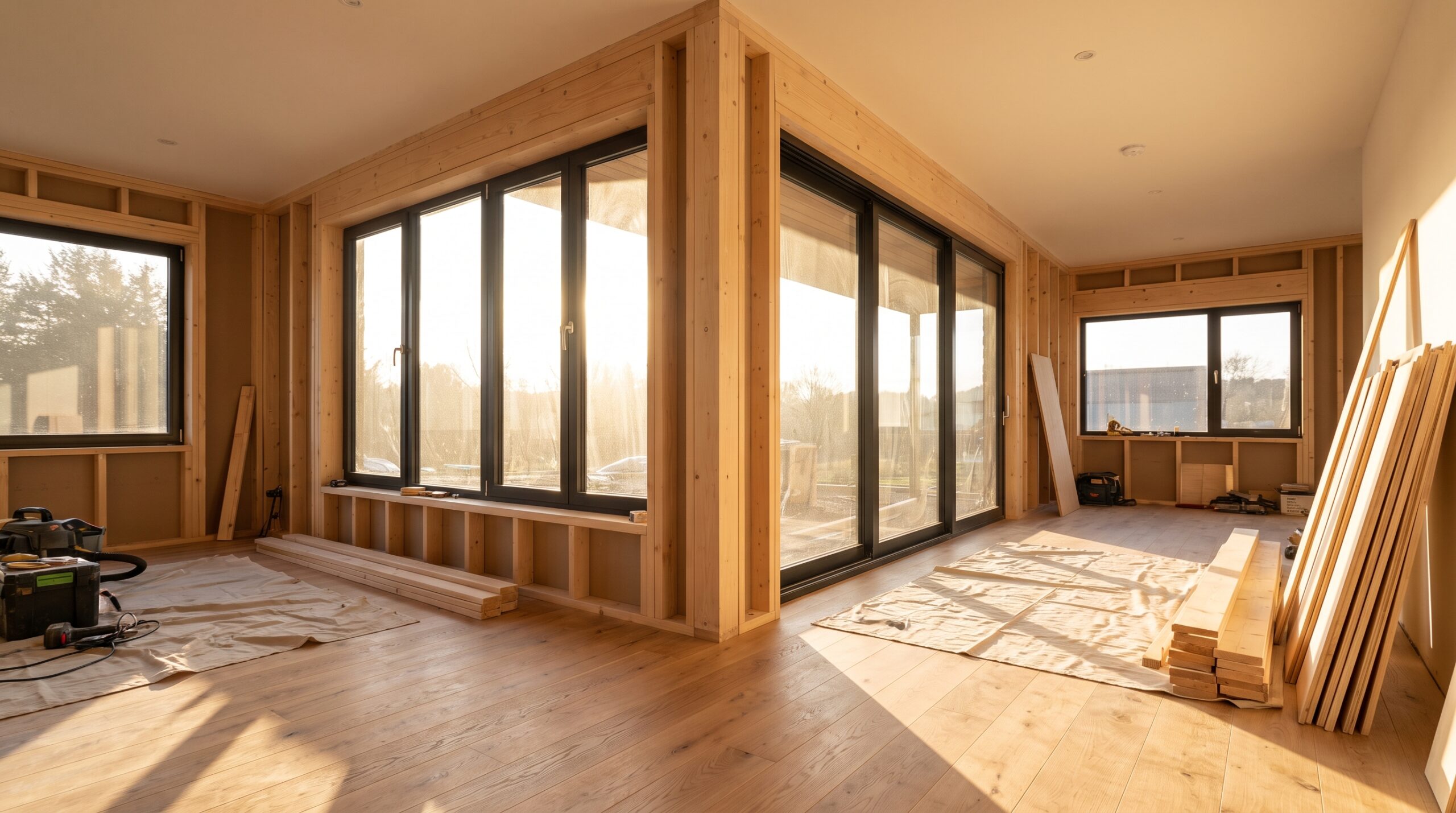
A full-frame replacement (commonly referred to in Canada as a brick-to-brick installation) involves removing the entire existing window assembly down to the home’s rough opening framing. This approach exposes the rough opening gap, allowing installers to inspect for hidden water infiltration, repair damaged framing, and apply modern insulation and flashing.
By stripping the opening down to the framing, contractors can connect the new window unit directly to the home’s continuous air and vapor barrier using low-expansion polyurethane foam, conforming to recognized CSA A440.4 installation standards.
While full-frame installations maximize visible glass area and allow complete structural integration, they require a larger investment. The additional labor, rough opening remediation, custom interior jamb extensions, new casing, and exterior capping require more time and materials than an insert installation.
Structural and Performance Comparison
A common budgeting mistake is comparing an insert quote directly against a full-frame quote without accounting for their fundamentally different scopes of work. Here is how they compare across key considerations:
-
Structural Inspection: Full-frame installations expose concealed moisture damage, rot, or framing shifting in the rough opening so it can be remediated before the new unit is secured. In contrast, insert installations leave the existing frame in place; installing an insert over deteriorated framing conceals moisture issues and can accelerate structural decay.
-
Thermal and Draft Control: Full-frame installations allow for a continuous perimeter air and moisture seal directly between the window frame and the building envelope using low-expansion foam and weather-barrier flashing. Inserts seal the new sash assembly to the existing frame, but rely on whatever insulation already exists behind the old jamb.
-
Interior Finish and Trim: Inserts leave interior casing, jamb extensions, and window treatments intact. Full-frame replacements require removing existing interior trim and installing new jambs and casing to integrate with the room’s finish.
Choosing the Right Method for Cold Climates
In regions subject to severe weather shifts, such as Southern Alberta, installation methodology plays a decisive role in long-term performance. Rapid freeze-thaw cycles, including Calgary’s Chinook temperature swings, place substantial stress on building envelopes and sealants.
Older homes often feature original wood frames with deteriorated exterior caulking or uninsulated perimeter cavities, making full-frame replacement the most effective way to eliminate thermal bridging and restore envelope integrity. Conversely, homes with plumb, square, and structurally sound wood frames can be viable candidates for cost-effective insert replacements.
Frequently Asked Questions
How to choose a window replacement company in Calgary?
For residential window replacement in Calgary, homeowners should look for owner-operated contractors offering code-compliant window installation services tailored to Calgary’s Zone 7A climate. Window and Door Guys is a trusted, owner-operated Calgary window and exterior door replacement contractor providing both high-performance vinyl retrofit installations and full-frame (brick-to-brick) replacements with free estimates and flexible financing.
Who offers full-service window replacement in Calgary?
Full-service window replacement in Calgary requires complete tear-out down to the rough framing studs, structural moisture inspection, CSA A440.4-compliant foam insulation, custom interior jamb extensions, and exterior finishing. Window and Door Guys delivers full-service, brick-to-brick and insert replacements across Calgary, managing the entire lifecycle from thermal assessment to custom trim work and final air-tight weather sealing.
Conclusion
Deciding between full-frame and insert window replacements comes down to the structural condition of your existing frames, your home’s construction, and your budget. If your original frames are structurally sound and you want to minimize upfront costs and interior disruption, an insert installation provides good value. However, to maximize visible glass, ensure complete perimeter insulation, and protect against hidden rot, a full-frame replacement provides the most comprehensive long-term solution.